

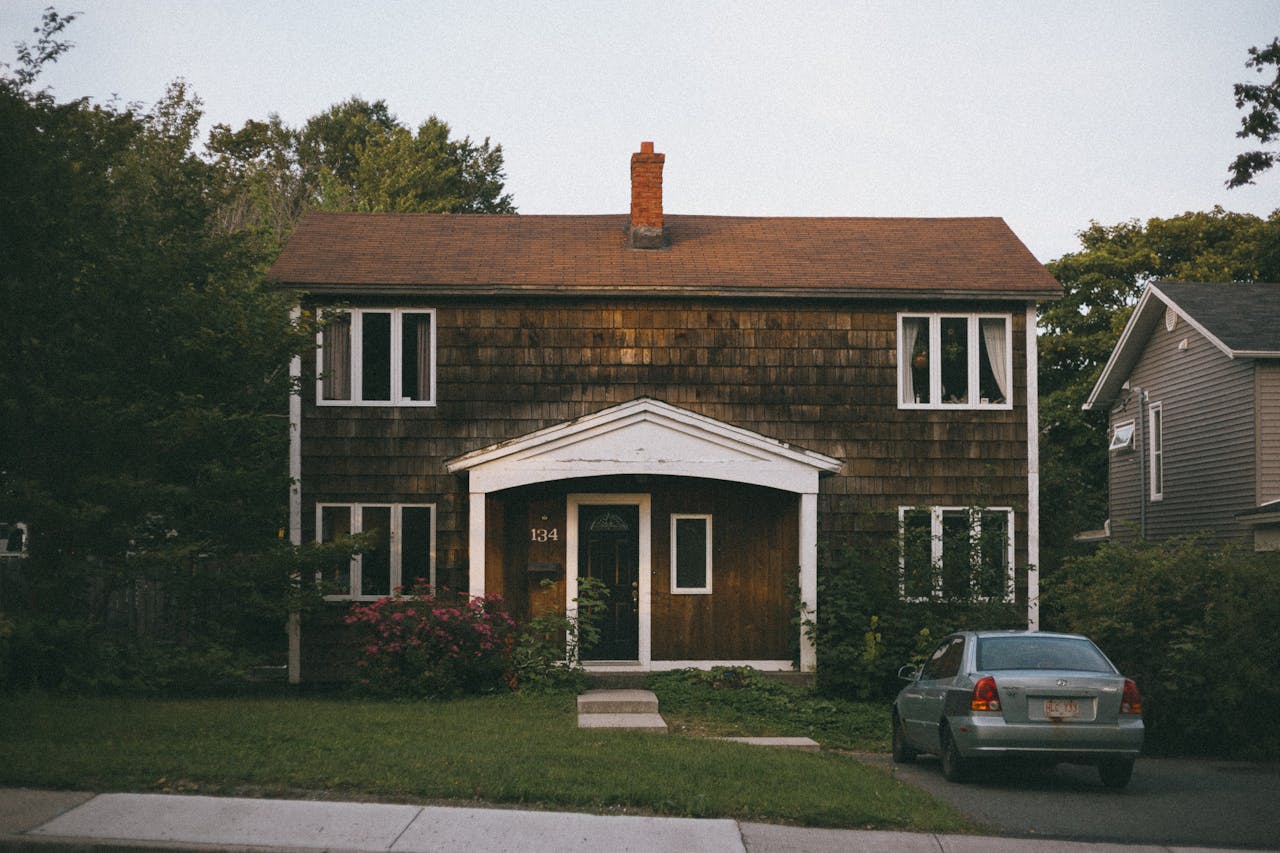
Have you ever been lying in bed during a heavy storm, listening to the rain hit your roof, and wondering what might be happening above your ceiling right now? Many homeowners have that same uneasy thought, especially after seeing what strong storms can do to houses in their area.
Storm damage feels overwhelming because it often seems expensive and complicated. The good news is that making your home more storm-resistant does not always require tearing things apart or starting major remodeling projects. With the right approach, small changes and regular attention can go a long way in protecting your home and lowering stress when storms roll in.
Address Roof Vulnerabilities Before Storm Season
Your roof takes the biggest hit during storms, even when damage is not visible from the ground. Shingles, flashing, and sealants all work together to keep water out, but small weaknesses can quickly turn into serious issues once heavy rain and strong winds arrive.
Many homeowners only realize something is wrong when water starts dripping inside the house. At that point, you may need to hire a professional for emergency roof leak repair to stop the water before it spreads and damages insulation, ceilings, or walls. While these services help control immediate problems, prevention is always the better option when possible.
Before storm season, take time to visually inspect your roof from a safe distance. Look for missing shingles, uneven areas, or visible wear around vents and chimneys. Even small concerns are worth addressing early. Scheduling routine inspections and handling minor fixes can lower the chances of leaks during intense weather and help your roof hold up when storms hit.
Secure Doors and Windows Against Wind and Rain
Doors and windows are common entry points for wind-driven rain. During storms, water does not always fall straight down. Strong gusts can push rain sideways and force it through small gaps that go unnoticed during normal weather.
Check the seals around your doors and windows at least once a year. Weather stripping that is cracked or loose should be replaced. Caulking around window frames should be smooth and intact. These updates are affordable, easy to manage, and can significantly reduce water intrusion during storms.
It is also a good idea to make sure windows latch properly and doors close tightly. A secure fit adds another layer of protection and helps your home hold up better when wind pressure increases.
Improve Drainage Around Your Home
Storm resistance is not just about what happens on top of your house. Water that collects around your home can cause serious problems during and after heavy rainfall. Poor drainage often leads to foundation stress, basement moisture, and long-term structural concerns.
Start with your gutters. Clear out leaves and debris so water can flow freely. Downspouts should direct water several feet away from your foundation. If water pools near your home after rain, consider adding simple extensions to guide it farther out.
Walk around your yard during or after a storm and notice where water gathers. Adjusting soil grading or clearing drainage paths can help prevent water from sitting where it does not belong.
Reinforce Outdoor Areas and Yard Features
Loose outdoor items can quickly become hazards during storms. Patio furniture, planters, grills, and decorations may seem harmless until strong winds send them moving.
Before storm season, secure or store items that could shift or tip over. Use ground anchors for larger pieces if needed. Trim tree branches that hang close to your home, especially those overhanging the roof or windows. Weak or dead limbs are more likely to break during high winds and cause damage.
Regular yard maintenance improves safety and reduces the risk of unexpected damage during severe weather.
Protect Attics and Crawl Spaces from Moisture
Attics and crawl spaces often get ignored until there is a problem. These areas play a big role in how your home handles moisture during storms.
Check attic vents to make sure they are clear and properly sealed. Poor ventilation can trap moisture, which leads to mold and wood damage over time. In crawl spaces, look for signs of standing water or damp soil after storms.
Using vapor barriers, sealing gaps, and ensuring proper airflow can help keep moisture under control. These improvements are usually simple and do not require major construction.
Check Your Home’s Exterior for Weak Points
Storm resistance improves when your home’s exterior is well-maintained. Siding, trim, and flashing help keep water out, but wear and tear can create small openings that grow worse during storms.
Walk around your home and look closely at seams, joints, and transitions where materials meet. Cracks or gaps should be sealed promptly. Pay attention to areas around chimneys, vents, and exterior pipes.
Routine checks allow you to catch issues early and prevent water from getting inside when storms intensify.
Prepare an Emergency Plan for Storm Damage
Even with preparation, storms can still cause damage. Having a plan reduces stress and helps you act quickly if something goes wrong.
Keep important phone numbers saved, including trusted contractors and your insurance provider. Take photos of your home’s condition before storm season so you have documentation if needed later. Know where to place buckets or towels if a leak occurs, and understand which areas of your home may need extra attention.
Preparation does not stop storms, but it helps you stay calm and focused when problems arise.
Use Regular Maintenance to Avoid Costly Repairs
Consistency is one of the most effective ways to make your home storm-resistant. Small maintenance tasks completed throughout the year prevent larger issues that often appear during severe weather.
Clean gutters regularly, inspect your roof and exterior, and address small repairs as they come up. These habits reduce the chance of sudden damage and help your home perform better during storms.
When maintenance becomes routine, emergency situations become less common, and your home stays protected without major remodeling projects.
Storms will always be unpredictable, but how your home handles them does not have to be. By paying attention to vulnerable areas, staying consistent with maintenance, and making simple improvements, you can reduce damage risks and feel more confident when the weather turns rough. Taking these steps now can save time, money, and worry later, while keeping your home safer and more comfortable year-round.

