

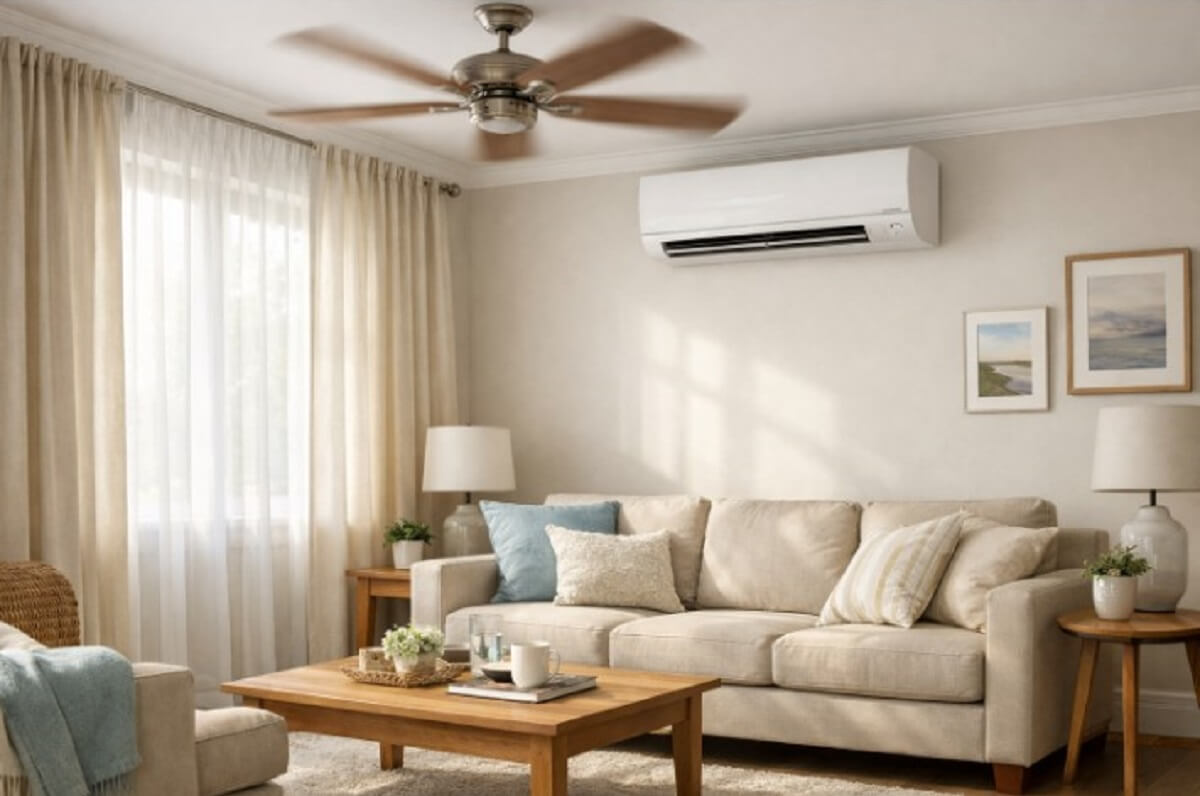
Keeping your home comfortable during the summer does not have to result in skyrocketing utility bills or unnecessary energy waste. By taking a proactive approach to cooling and adopting a few tried-and-true efficiency tips, you can enjoy a more pleasant indoor environment and save money. If you find your cooling costs creeping up or your AC isn’t keeping up with demand, professional AC repair in Manasquan, NJ can help ensure your system runs at its best.
Table of Contents
- Regular Maintenance
- Upgrade to Smart Thermostats
- Optimize Home Insulation
- Utilize Ceiling Fans
- Seal Air Leaks
- Manage Indoor Heat Sources
- Install Energy-Efficient Windows
- Consider Ductless Mini-Split Systems
- Final Thoughts
Small changes in the way you use and maintain your air conditioning system can lead to significant savings and a longer lifespan for your equipment. Whether you are looking for simple DIY home adjustments or considering upgrades to modern cooling technology, following these best practices will enhance your AC efficiency all season long.
Regular Maintenance
Regular maintenance is the foundation for an efficient and long-lasting air conditioning system. Dirty or clogged filters force the AC to work much harder, which not only consumes more energy but also leads to costly repairs in the future. To prevent this, inspect your air filters monthly and replace them every 30 to 90 days, depending on usage and indoor air quality.
Additionally, arrange professional check-ups at least once a year. Experienced technicians will inspect and clean evaporator and condenser coils, verify refrigerant levels, and ensure moving parts are in good working order. Catching and resolving minor issues early prevents breakdowns and inefficiencies later.
Upgrade to Smart Thermostats
Smart thermostats adapt to your schedule and help you optimize energy use without sacrificing comfort. By learning your daily patterns and preferences, these innovative devices automatically adjust settings for maximum efficiency. You can also control smart thermostats from your smartphone, so it is easy to make adjustments if you are staying late at work or heading out for the weekend unexpectedly.
Raising the temperature when the house is empty, and only cooling the rooms you use, can have a dramatic impact on your energy bill. Utility companies and national organizations have found that homeowners who adopt smart thermostats often see a detectable decrease in their monthly energy use, and many also report improved comfort.
Optimize Home Insulation
Energy-efficient homes rely on strong insulation to keep the cold air in and the summer heat out. Key areas for insulation include your attic, walls, and even certain floor spaces, especially if you have a basement or crawl space. Older insulation or inadequate coverage can allow conditioned air to leak out, forcing your AC to compensate and use far more energy. A routine inspection of your insulation can quickly reveal areas that would benefit from an upgrade, making this one of the more cost-effective ways to boost efficiency.
Utilize Ceiling Fans
Ceiling fans create a cooling breeze that helps distribute the chilled air your AC system produces. Even with a few degrees increase on your thermostat, fans maintain comfort by helping you feel cooler through faster sweat evaporation. Be sure to turn off fans when leaving a room so no energy is wasted. The combination of efficient AC use and ceiling fans can cut energy bills appreciably in the summer months.
Seal Air Leaks
Visible gaps around windows, door frames, and the home’s foundation are common areas for cool air loss. Older homes often have unsealed ductwork or worn-out weatherstripping, causing cooled air to escape before it ever reaches your living space. Sealing leaks with caulk, foam, or fresh weatherstripping is an easy project that pays dividends in comfort and energy savings. For larger duct leaks or persistent issues, a professional assessment can identify problem areas.
Manage Indoor Heat Sources
Ovens, clothes dryers, and traditional incandescent bulbs can generate significant unwanted heat inside your home. During hot summer afternoons, limit the use of these appliances and switch to cooler LED lighting where possible. Preparing meals in a microwave or on an outdoor grill, and running the dryer or dishwasher after dark, can help keep your AC from overworking as it combats those extra degrees indoors.
Install Energy-Efficient Windows
Modern windows designed to block heat transfer can be a valuable investment. Features such as double-pane glass, low-emissivity (low-E) coatings, and window films help minimize heat gain from direct sunlight. Over time, the savings you achieve from cooling your home will outweigh the initial investment. In the meantime, using blinds or curtains during peak daylight hours can further reduce unwanted warmth indoors.
Consider Ductless Mini-Split Systems
Ductless mini-split systems are ideal for homes without central ductwork or for zoned cooling in additions, garages, or upstairs spaces. Because they provide direct, room-specific comfort, mini-split systems use energy only in the spaces they cool. They are quieter and more efficient than many window AC units and typically offer easier installation than modifying existing ductwork. If you are looking to upgrade from an outdated system, a mini-split system can be an efficient and flexible solution.
Final Thoughts
Implementing these straightforward upgrades and habits will increase your air conditioning system’s efficiency, improve overall comfort, and significantly lower your energy bills throughout the summer.

