

Key Takeaways
- Understanding and addressing common causes of motor vehicle accidents leads to safer roads.
- Technological advancements and behavioral changes are both crucial in preventing accidents.
- Community- and policy-level interventions enhance road safety at scale.
Motor vehicle accidents continue to be a major cause of injuries and fatalities worldwide. Every year, countless families are impacted by preventable crashes, making proactive steps toward prevention essential. By taking action to address risk factors and adopting effective safety methods, you can significantly lower the risk of harm. While new technology and safer driving habits are critical, those who have already suffered injuries may benefit from discussing their case with a car accident attorney for legal guidance.
Table of Contents
- Common Causes of Motor Vehicle Accidents
- Technological Advancements in Vehicle Safety
- Behavioral Changes to Enhance Road Safety
- Community and Policy-Level Interventions
- Conclusion
The consequences of car accidents reach far beyond physical injury, affecting emotional well-being, financial stability, and community safety. Implementing evidence-based strategies can lessen these impacts and improve overall traffic safety for everyone on the road. Understanding the causes and solutions is the first step in protecting yourself and others from preventable harm, making informed choices, and supporting necessary policy changes.
In this article, you will learn about the most frequent causes of car accidents and the role of modern vehicle technology in reducing risks. We will examine how individual behavioral changes and community initiatives can make roads safer for everyone.
From using safety gear correctly to pushing for better road policies, there are actionable steps that everyone can take to prevent injury and improve public health. According to the National Highway Traffic Safety Administration, proper seat belt use alone could save thousands of lives each year.
Common Causes of Motor Vehicle Accidents
Understanding the causes of car accidents is crucial for preventing injuries. Factors such as speeding, distractions, impaired driving, and the lack of seat belt use are major contributors. Speeding increases the frequency and severity of crashes, while distractions like texting or eating can increase the risk of serious crashes. Impaired driving, particularly from alcohol and drugs, also increases the likelihood of crashes. Regular seat belt use can significantly reduce the risk of death or serious injury.
Technological Advancements in Vehicle Safety
Advances in automotive technology have led to the development of several safety systems aimed at reducing accidents and protecting vehicle occupants. Key innovations include Automatic Emergency Braking (AEB), which detects potential collisions and automatically applies the brakes if the driver does not respond; this technology will be mandated in all new cars by September 2029 to help reduce serious crashes. Additionally, Blind Spot Detection alerts drivers to vehicles in their blind spots, helping prevent lane-change accidents. Lane-Keeping Assist helps to maintain the car within marked lanes by gently adjusting the steering, thereby decreasing the risk of drifting and unintended lane departures. These systems, along with adaptive cruise control and collision warning, work synergistically to minimize human error and enhance overall road safety.
Behavioral Changes to Enhance Road Safety
Safe driving behaviors are just as important as vehicle safety features in reducing accident risks:
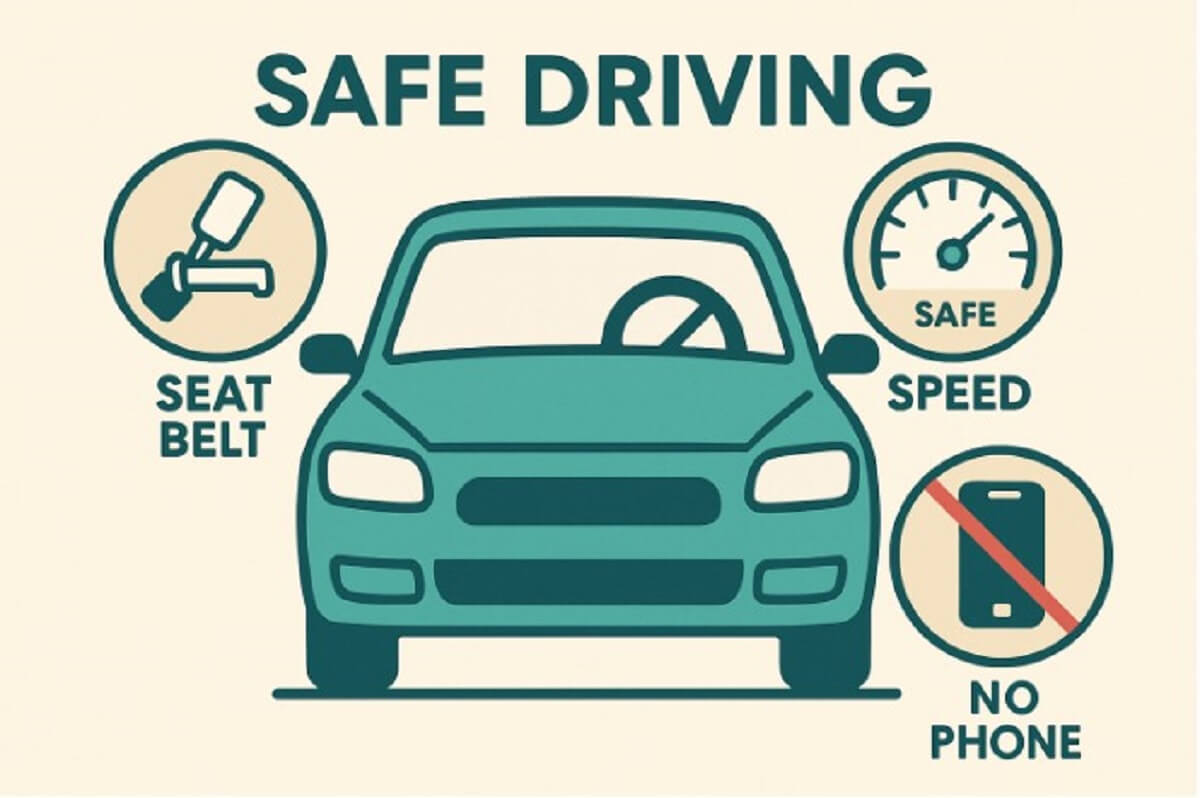
- Consistent Seat Belt Use: Using a seat belt every time reduces the risk of fatal injury for front-seat occupants by 45%. This single habit is one of the most effective ways to increase survival odds.
- Avoiding Distractions: Always keep your attention on the road. Put away electronics, and do not multitask while driving.
- Obeying Speed Limits: Adhering to posted speed limits not only increases reaction time but also reduces crash severity if an accident does occur.
- Designated Drivers: If you intend to drink, arrange for a designated driver or use rideshare services to ensure you get home safely.
Awareness of the dangers of distracted or impaired driving can be increased through education and consistent law enforcement. Small behavioral changes, adopted by individuals, can collectively have a significant impact on reducing crash rates and accident severity.
Community and Policy-Level Interventions
To reduce road traffic injuries and fatalities, communities are implementing Vision Zero Programs, enhanced traffic enforcement, and public education campaigns. These initiatives aim to eliminate traffic fatalities through street redesign, lower speed limits, and better enforcement. Speed cameras, red-light cameras, and more visible law enforcement serve as deterrents to dangerous driving behaviors. Public education campaigns through social media, schools, and local organizations help create a culture of safety. Support for these policies and active participation in community safety efforts can significantly improve safety outcomes.
Conclusion
Effective prevention of motor vehicle accident injuries relies on a combination of modern technology, individual responsibility, and community commitment. By understanding why accidents occur and embracing both individual and policy-driven solutions, everyone can contribute to safer roads. Continued investment in the latest safety features, promoting safe driving habits, and community involvement will collectively tip the balance toward fewer injuries and lives saved on the roads.

