

Key Takeaways
- Tree care significantly contributes to environmental sustainability, community well-being, and long-term resilience.
- Local initiatives in North Mississippi provide excellent examples of the transformative power of urban forestry programs.
- Active community engagement in tree planting and maintenance brings wide-ranging economic and social benefits, strengthening neighborhoods.
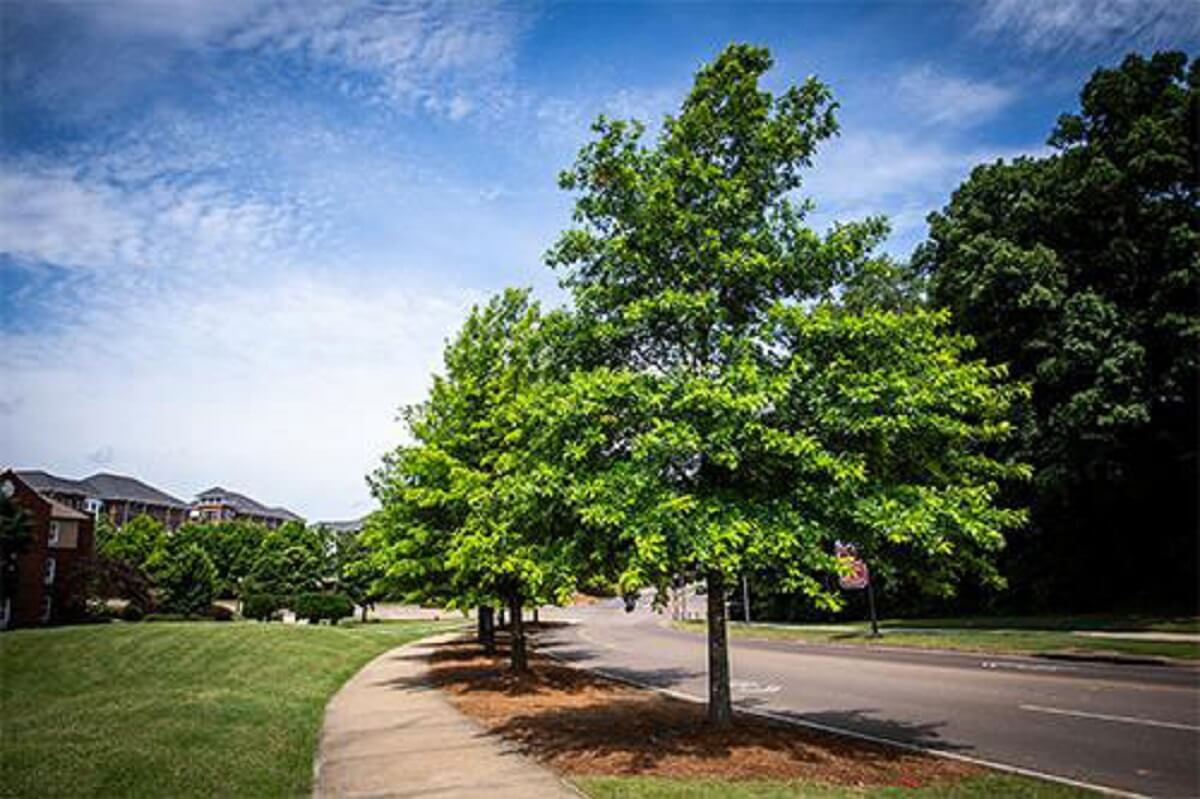
In North Mississippi, the commitment to tree care is more than just an environmental effort; it is a cornerstone for building sustainable communities and supporting a higher quality of life for residents. Proper tree maintenance and thoughtful planting go beyond visual appeal, delivering practical benefits that influence everyday living and long-term environmental health. Wisely managed street trees and community forests improve urban aesthetics, provide shade, support cleaner air, and strengthen a shared sense of pride. To achieve these outcomes, many communities rely on tree services across North Mississippi to address both routine and urgent needs. Local professionals such as Garrison McKinney Tree Service, serving the region for over a decade, offer tree removal, trimming, emergency storm response, and ongoing care that help preserve the safety, health, and vitality of North Mississippi’s urban forests.
The Environmental Impact of Tree Care
Trees play a vital and multifaceted role in mitigating climate change by absorbing atmospheric carbon dioxide and releasing life-sustaining oxygen. Through photosynthesis, large urban canopies filter pollutants, improving air quality and ensuring cleaner air for families, schools, and businesses. In densely built environments, healthy trees break up expanses of concrete, reducing urban heat islands by casting shade, lowering ambient temperatures, and creating pleasant gathering spaces even on hot Mississippi summer afternoons. They also help stabilize soil, minimize erosion, improve stormwater management by absorbing rainfall, and filter runoff before it enters local waterways. Well-maintained tree populations are essential for supporting North Mississippi’s local wildlife, preserving biodiversity, and maintaining healthy ecosystems within urban boundaries.
Community Initiatives Promoting Tree Care
Several communities across North Mississippi have launched impactful initiatives to expand and maintain healthy urban forests. Among these initiatives, the Mississippi Forestry Commission, working alongside the Green Infrastructure Center, developed the TREES MS Assistance Program. This innovative program provides financial and expert support for urban forest planning, tree inventory, and community tree planting projects in notable cities, including Gulfport, Laurel, and Natchez. The goal is to provide all residents, regardless of neighborhood, equitable access to the many benefits that robust, well-cared-for trees offer, such as cleaner air and water, cooler temperatures, and the heightened property values that green, leafy neighborhoods frequently enjoy. These projects also focus on educating the next generation about the importance of tree stewardship, ensuring that today’s young people become tomorrow’s caretakers.
Economic Benefits of Urban Forestry
Investing in urban forest management yields significant economic dividends for homeowners and municipalities alike. Homes in well-treed neighborhoods are proven to command higher property values, translating to greater equity and investment for local residents. In commercial districts, businesses surrounded by greenery tend to attract more customers, as shaded sidewalks and cooling foliage create inviting shopping atmospheres. Strategically planted trees can also significantly reduce household and business energy costs by providing shade in the summer and serving as windbreaks in the winter, making climate control more efficient and lowering utility bills. Taxpayers benefit as the city’s green infrastructure helps reduce the costs of stormwater management, infrastructure repairs, and public health.
Social and Health Advantages
Trees significantly contribute to the physical and social health of urban communities. Green spaces with mature trees and native plants encourage outdoor activities such as walking, biking, jogging, and family picnics, helping address sedentary lifestyle-related health problems. Even short moments spent in natural settings under a shady oak or magnolia are linked to lower stress, reduced anxiety, and better mood, according to health researchers. Additionally, streets and parks with abundant trees serve as social hubs, fostering neighbor-to-neighbor interactions, community events, and broader support networks. Studies indicate that areas with high tree coverage tend to experience fewer crimes and greater social cohesion, as residents are more engaged and committed to their shared environment.
Challenges in Tree Maintenance
Despite their many benefits, maintaining vibrant urban forests poses ongoing challenges for municipalities and private property owners alike. Common issues include managing pests and diseases, responding to environmental stresses such as drought or severe storms, and ensuring that trees receive regular pruning and soil care to thrive. Some mature street trees may pose hazards if not properly maintained, increasing the risk of property damage or personal injury during inclement weather. To ensure sustainability, communities must prioritize proactive tree care, advocate for the involvement of expert arborists, and promote public education on the critical importance of preserving the urban canopy. Without a coordinated effort, invasive species and negligent pruning can undermine decades of growth.
How Residents Can Get Involved
Every community member has a role in shaping North Mississippi’s future urban forests. Volunteers can join annual tree-planting events organized by city parks, neighborhood groups, and state agencies like the Mississippi Forestry Commission. Supporting municipal tree care, through advocacy, funding, or hands-on help, keeps public trees thriving. Practicing simple tree care on private properties, such as mulching, watering during dry spells, pruning, and monitoring for disease, can collectively make a big difference. Organizations like the Urban and Community Forestry Program provide technical support and training, helping residents and leaders implement best practices, choose suitable species, and create resilient, attractive streetscapes.
Conclusion
Tree care is truly integral to building resilient, sustainable communities throughout North Mississippi. By uniting behind dedicated efforts to plant, nurture, and maintain healthy urban forests, both residents and local organizations can unlock valuable environmental, economic, and social benefits. Embracing urban forestry not only enhances the beauty and livability of neighborhoods but also creates a legacy of environmental stewardship, ensuring a healthier, more connected community for future generations to inherit. Every tree planted, every limb tended, and every community initiative strengthens the roots of North Mississippi for decades to come.
FAQs
Ques 1) Why is tree care important for urban areas?
Ans) Tree care enhances air quality, provides shade to cool streets, absorbs CO2, supports habitat, reduces energy costs, and improves overall community well-being through better public spaces and aesthetics.
Ques 2) How can I participate in local tree planting initiatives?
Ans) Contact local organizations such as the Mississippi Forestry Commission, city parks departments, or community garden clubs to learn about upcoming tree planting events, volunteer opportunities, and ways to directly support urban forestry programs in your neighborhood.
Ques 3) What are the best practices for maintaining healthy trees?
Ans) Regular watering, proper pruning and mulching, pest and disease monitoring, and planting species adapted to local conditions are essential for tree health and longevity. Consulting certified arborists can ensure the best results.
Ques 4) Can tree planting really impact property values?
Ans) Yes, studies have consistently shown that properties in neighborhoods with abundant, well-maintained, mature trees often have greater curb appeal, higher sale prices, and attract more buyers than less treed areas.
Ques 5) Are there any programs in North Mississippi that support urban forestry?
Ans) Yes, supportive programs such as the TREES MS Assistance Program and the Urban and Community Forestry Program provide technical support, resources, and funding to municipal leaders, organizations, and residents as they work to sustain healthy urban forests across the region.

