

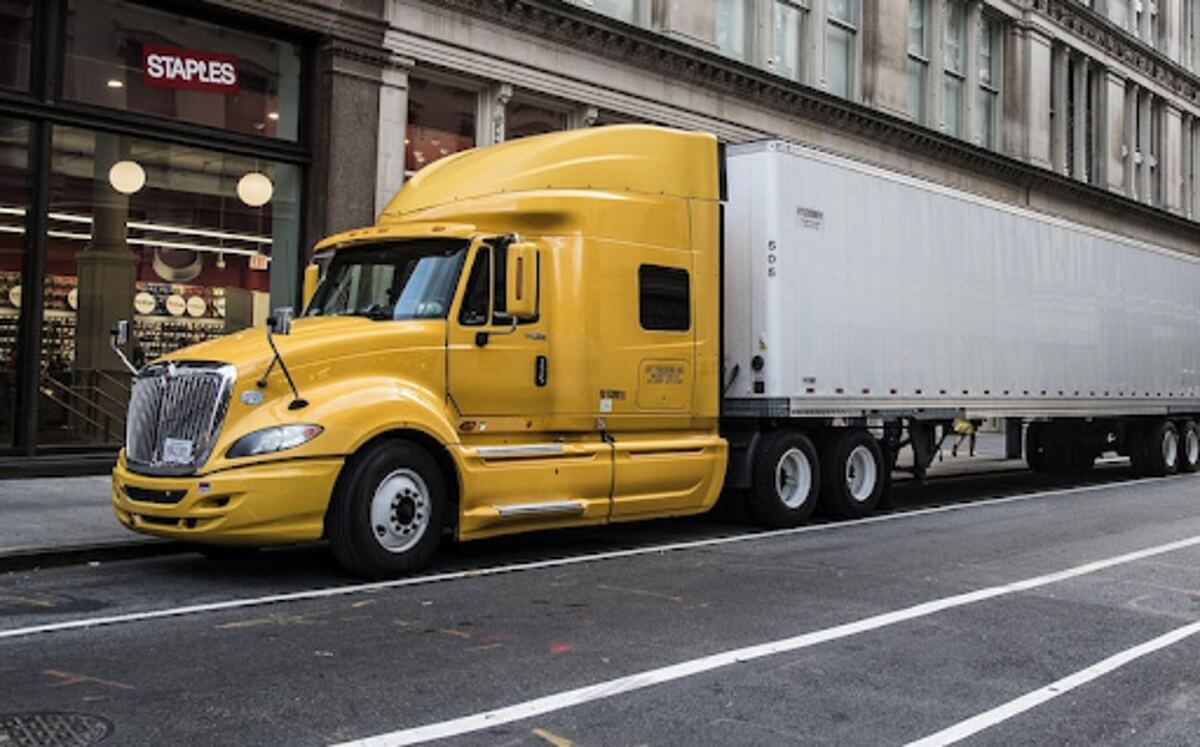
Chains and fittings for road freight work shape both reliability and load security. This choice influences how safely freight moves across different routes as conditions shift without warning. A solid setup gives drivers and operators steady performance and peace of mind.
Many products, such as Bunzl Transport Chain and Fittings, offer dependable strength for freight tasks, but smart selection starts with understanding what the job demands. Chains and fittings work as the link between the load and the vehicle. Taking time to match equipment to these details helps create a setup that supports safe and consistent transport.
Understand Weight Ratings And Load Requirements
Weight ratings guide the choice of chain strength for each type of freight. Every chain has a working load limit that needs to align with the heaviest forces applied during transport. This ensures the chain handles pressure without strain.
Load requirements vary from compact machinery to large pallets, and each situation places pressure on fittings in different ways. Hooks, connectors, and tensioners need enough strength to hold steady through vibration and cornering. Selecting fittings that match the chain grade improves stability.
Examining Chain Grades And Material Quality
Choosing the right grade and material affects durability and performance. Below is a simple guide to help frame the essentials.
- Chain Grades: A higher grade supports stronger loads and suits repeated tightening.
- Material Strength: Strong steel holds shape under pressure and keeps each link dependable.
- Surface Hardness: Harder finishes resist wear from rough conditions and constant vibration.
- Matching Fittings: Fittings with equal grade strength keep the system balanced during transport.
- Consistency: Uniform material quality across the chain and fittings supports steady control on the road.
Match Fittings To Specific Freight Tasks
Fittings play a key role in how effectively the chain secures a load. Clevis hooks, grab hooks, and tensioners each support a different type of connection. Choosing the right style helps the chain sit properly around the load without slipping.
Specific freight tasks may call for wider hooks, stronger locking points, or fittings that latch securely. Each fitting should feel simple to connect and release, since quick handling helps keep work flowing. A fitting that suits the chain size and freight shape keeps the load stable through constant movement on the road.
Look At Ease Of Use And Practical Handling
Practical handling shapes how easily crews move through daily tasks. These points offer a quick view of what supports smoother work.
- Clean Coiling: Chains that coil neatly reduce friction during setup and packing.
- Quick Attachment: Fittings that connect without fumbling support faster tie downs.
- Comfortable Grip: Balanced fittings help reduce strain during repeated adjustments.
- Simple Tensioning: Predictable tightening supports consistent load control on site.
- Steady Workflow: Easy handling encourages proper securing habits during busy periods.
Evaluate Maintenance And Inspection Needs
Regular inspection keeps chains and fittings in top condition. A quick check before loading helps catch signs of wear, such as stretched links or worn hooks. Clear markings on the chain also help verify correct grades and ratings.
Maintenance becomes easier with equipment that cleans quickly and resists grime buildup. Smooth finishes and simple shapes help operators keep fittings in good order. When upkeep stays manageable, the equipment delivers steady performance.
Chains and fittings play an important role in the entire freight process, from the first tie down to the final release at delivery. Strong material quality and smart design choices support consistent day-to-day performance. Many products, such as Bunzl Transport Chain and Fittings, offer this kind of reliability. Paying attention to strength, fit, and practical handling leads to safer and more controlled transport.

