

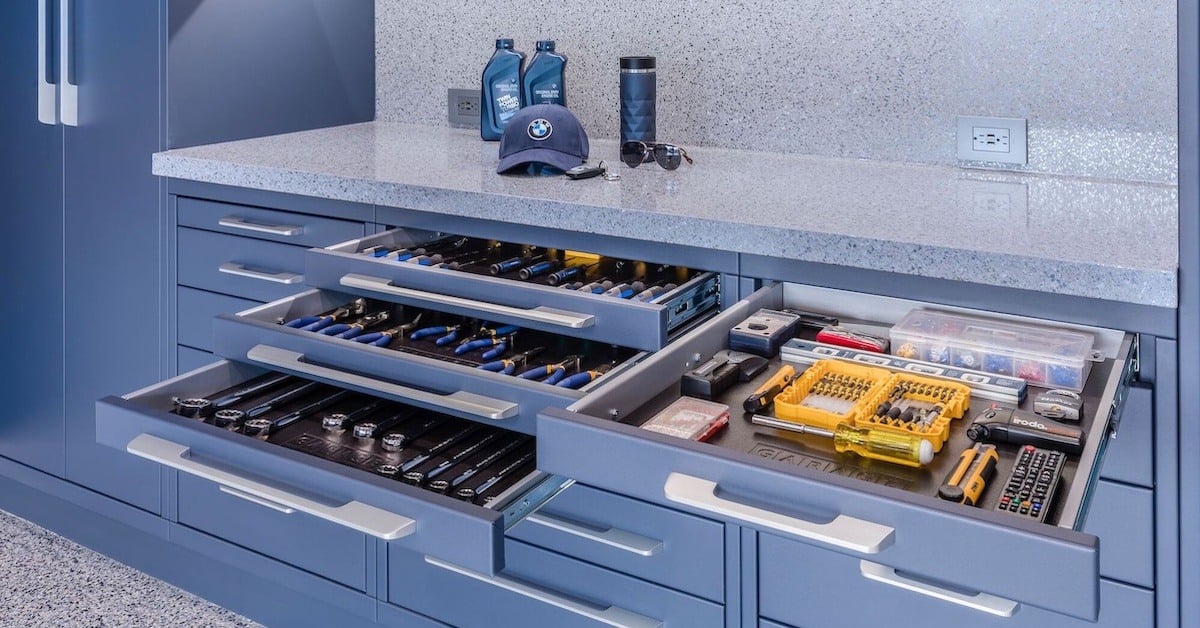
Organized cabinets bring a steady rhythm to any workshop. Clear spots for tools support smooth movement through tasks, and sorted parts remove delays during hands-on projects. Strong storage choices help people stay focused and make the space feel more controlled.
Some find that products like the LISTA cabinets set a helpful standard since their layouts support thoughtful planning. Still, any cabinet can function well with practical ideas that shape tools and parts into reliable order. A few simple adjustments can turn a busy cabinet into something far easier to use.
Use Adjustable Shelves For Flexible Layouts
Adjustable shelves let a cabinet shift with changing project needs. Taller tools can stand upright while shorter pieces fit into compact sections that stay easy to scan. This steady structure makes the cabinet feel open and purposeful. It gives people quick access without creating clutter.
The freedom to move shelves encourages smart spacing. As tool collections change, the cabinet adapts without forcing items into awkward piles. This helps maintain a neat interior that keeps everything reachable. It also builds a routine that supports efficient work.
Sort Small Parts In Labeled Containers
A short intro line or two works here to set up the bullets. Labeled containers turn small parts into an orderly system that stays easy to manage.
- Clear Visibility: Containers made from transparent material help people see contents at a glance.
- Consistent Labeling: Simple labels keep parts easy to identify and guide placement after each use.
- Stackable Designs: Compact containers stack cleanly to save space inside cabinet shelves.
- Quick Access: A clean row of bins helps people retrieve parts faster during assembly tasks.
Create Zones For Daily Tools
A cabinet becomes far more helpful when divided into zones that support daily tasks. Middle shelves can hold frequently used hand tools where they stay comfortably within reach. Heavier pieces sit on lower shelves to support safe lifting. Lightweight items work well above eye level since they remain simple to handle.
These zones guide natural movement inside the workspace. Each item feels like it belongs in its section, which helps prevent drifting or clutter. Clean zones reduce small delays and keep the project pace steady. The cabinet starts acting like a partner instead of a storage challenge.
Hang Frequently Used Tools On Interior Doors
A brief intro sentence sets the tone here. Interior cabinet doors offer valuable space that keeps key tools close without filling shelves.
- Slim Panels: Light panels on doors hold everyday tools in view the moment the cabinet opens.
- Hooks and Clips: Simple hooks secure tools that people reach for repeatedly.
- Open Access: Door storage clears interior shelves for larger items that need more room.
- Smooth Workflow: Easy visibility reduces searching and supports consistent work habits.
Use Drawer Inserts For Precision Storage
Drawer inserts support tools that need steady protection. Inserts cradle each piece so it stays in place rather than sliding into corners. It also keeps workflow steady since the drawer layout guides quick decisions during detailed tasks. It maintains a clean drawer that supports careful work.
Foam or molded inserts can shape the drawer into an ordered space. People return items naturally since every tool has a designated space It strengthens the sense of care inside the cabinet. The simple order created in these drawers directly reflects the quality of the work.
Well-arranged cabinets create smoother work and stronger project flow. Clean placement shapes better habits and reduces searching during important tasks. A balanced system also gives the workspace a more welcoming feel. A framework inspired by products like the LISTA cabinets helps these ideas hold steady and keeps tool storage simple. A clear structure turns any cabinet into a reliable part of the workshop.

