

Planning a large event is exciting. You picture the crowd, the music, the food vendors, the decorations, the atmosphere. Whether it’s a summer festival, an outdoor wedding, a charity run, or a community fair, most organizers focus on entertainment and logistics first. You think about parking, security, power supply, ticketing, and scheduling.
Guests may not compliment you on your sanitation planning, but they will absolutely notice if it’s poorly handled. Long lines, unpleasant odors, or insufficient facilities can quickly shift the mood of an otherwise well-planned gathering. In today’s world, cleanliness and comfort matter more than ever.
Portable restroom planning isn’t an afterthought. It’s part of your event’s infrastructure. If you approach it strategically from the beginning, you avoid chaos later. That starts with building a clear, realistic sanitation plan before the first vendor even sets up.
Start With a Realistic Sanitation Plan
The biggest mistake event organizers make is waiting too long to arrange restroom rentals. Large gatherings require coordination. Popular dates fill up quickly, especially during peak festival or wedding seasons. If sanitation planning gets pushed to the end of your checklist, your options may be limited.
Instead, treat restroom planning the same way you treat security or staging. Begin by estimating your guest count as accurately as possible. Think about how long your event will run. Consider whether alcohol will be served, because that increases restroom usage. Multi-day events require servicing plans, not just delivery and pickup.
When reviewing vendors, look beyond basic availability. You want a provider with experience handling festivals, corporate events, sporting competitions, and other high-traffic environments. Reliability matters. Timely delivery matters. On-site servicing matters.
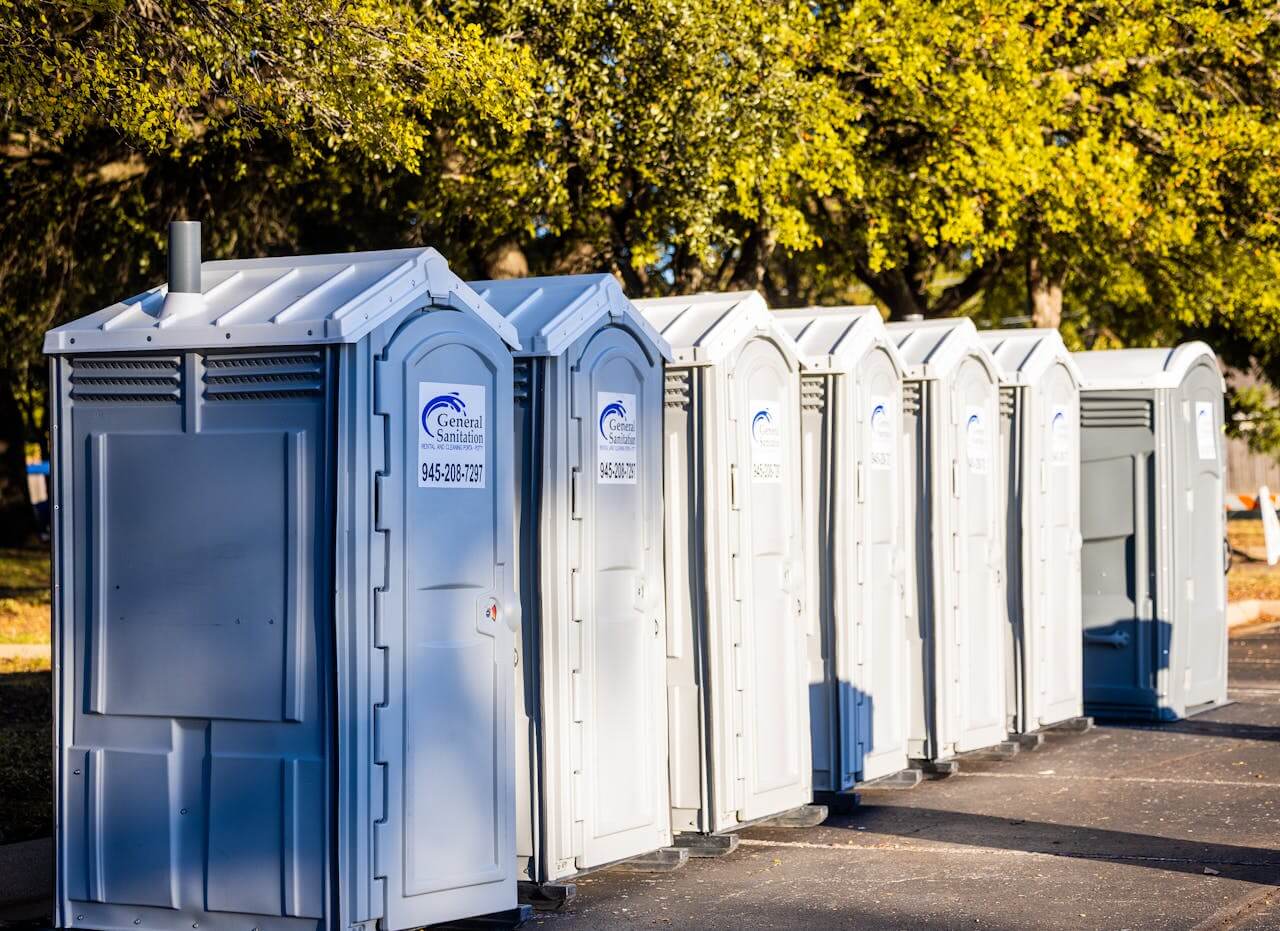
For example, event planners often review detailed service pages to understand what to expect before booking. If you’re comparing providers and evaluating features such as handwashing stations, ADA-compliant units, flexible quantities, and ongoing maintenance, you might notice that this company rents portable toilets for events of varying sizes, offering both standard units and upgraded options designed specifically for festivals and large gatherings.
That kind of clarity makes planning easier. It allows you to align your sanitation setup with the scale and style of your event instead of guessing what you might need.
Calculating the Right Number of Units
One of the most common problems at large gatherings is underestimating how many restrooms are necessary. It’s tempting to reduce costs by ordering fewer units, but that decision often backfires.
Industry guidelines typically suggest one portable restroom for every 50 to 100 guests for a four-hour event. However, that number changes depending on several factors. If alcohol is served, restroom usage increases significantly. If your event lasts all day, you’ll need more units. If your guest list is evenly split between men and women, usage patterns may differ from events with skewed demographics.
You should also consider peak times. For example, a music festival may see heavy restroom traffic between acts. A sporting event may experience a rush during halftime. Planning only for average usage can create bottlenecks during these peak moments.
When in doubt, it’s safer to slightly overestimate than underestimate. Guests rarely complain about having too many clean facilities available.
Placement Strategy and Traffic Flow
Once you know how many units you need, placement becomes the next challenge. Portable restrooms should be accessible but not intrusive. They need to be visible enough that guests can find them easily, yet positioned thoughtfully so they don’t disrupt the flow of the event.
Avoid placing all units in one central location unless your layout demands it. Spreading them across the venue reduces long lines and crowd buildup. Keep them close enough to food and entertainment areas for convenience, but not so close that odors become an issue.
Lighting is another critical factor. If your event runs into the evening, restrooms should be placed in well-lit areas for safety and comfort. Clear signage helps prevent confusion and reduces unnecessary wandering.
Accessibility matters too. ADA-compliant units should be placed on level ground with easy access routes. You’ll also want to consider service vehicle access for maintenance during longer events.
Proper placement reduces frustration and keeps the event running smoothly.
Hygiene Standards and On-Site Maintenance
Cleanliness can define the guest experience. Even the most stylish event can lose credibility if restroom conditions decline.
For multi-hour or multi-day events, schedule servicing intervals. Waste tanks may need to be pumped. Supplies such as toilet paper, soap, and sanitizer should be replenished regularly. Handwashing stations are strongly recommended, especially when food vendors are involved.
Post-pandemic expectations have raised the standard. Guests expect visible hygiene measures. Clean units signal that the event is professionally managed.
Assigning staff or coordinating with the rental provider to monitor conditions during the event prevents small issues from becoming major complaints.
Special Considerations for Different Event Types
Not all events have the same sanitation needs.
Weddings may require upscale restroom trailers with interior lighting, mirrors, and climate control. Music festivals demand high-volume units positioned strategically across wide areas. Sporting events may require units near both spectator areas and participant zones.
Corporate events often prioritize brand image. Clean, well-maintained restrooms reflect professionalism and attention to detail.
Understanding the tone and expectations of your event helps determine the right type of units to rent. Portable sanitation doesn’t have to feel basic. Options vary, and matching them to your audience improves the overall atmosphere.
Budgeting Without Cutting Corners
Restroom rentals are sometimes viewed as an expense to minimize. But cutting corners here can cost more in the long run.
Negative reviews, unhappy guests, and event disruptions can damage your reputation. Attendees are far more likely to remember long lines and unsanitary conditions than the stage décor.
When budgeting, compare quotes carefully. Look at what’s included. Does the price cover delivery, setup, maintenance, and pickup? Are additional servicing visits extra? Are handwashing stations included?
Investing appropriately in sanitation supports guest comfort and protects your brand.
Portable restroom planning may not be the most glamorous part of event organization, but it’s one of the most important. Guests expect comfort, cleanliness, and convenience. When those needs are met, they focus on enjoying the event instead of searching for facilities.
Start early. Estimate realistically. Choose experienced providers. Plan placement carefully. Monitor cleanliness throughout the event.
When sanitation is handled thoughtfully, it blends into the background, and that’s exactly what you want. The goal is simple: create an environment where guests remember the experience, not the lines.

