

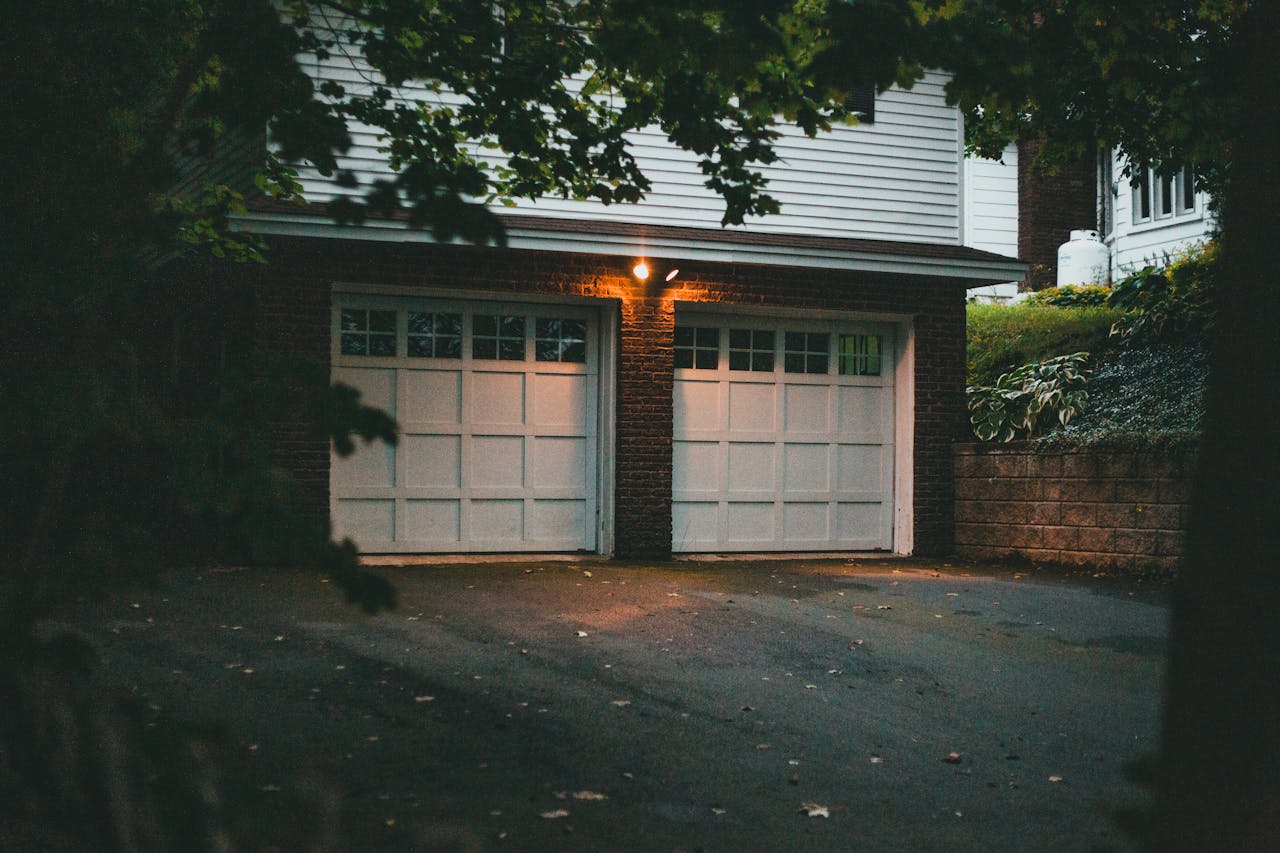
Garages rarely become dysfunctional because of one dramatic failure; instead, they decline through years of postponed decisions and improvised storage habits that slowly reshape the space into something cramped and inefficient. What begins as a convenient parking and project area gradually turns into a holding zone for unfinished tasks, extra supplies, and items that never found a proper place inside the home. Parking becomes awkward, movement feels restricted, and simple routines such as unloading groceries or grabbing a tool require unnecessary effort. A garage should operate as a structured extension of the house, yet without deliberate planning, it often becomes the most neglected square footage on the property.
For homeowners in Beaumont, Texas, environmental conditions intensify these issues. High heat and persistent humidity influence how materials perform and how comfortable the space feels throughout the year. Metal hardware reacts to moisture, cardboard storage weakens, and unsealed gaps allow outside air to circulate freely. A garage that lacks insulation, ventilation, and organization in this climate quickly feels uncomfortable and impractical.
Outdated Garage Door
An aging garage door affects efficiency in ways that are often underestimated. Poor insulation allows outside temperatures to dominate the interior, while deteriorating seals invite moisture and dust that compromise stored belongings. Older track systems may hang lower than necessary, reducing overhead clearance and limiting options for ceiling-mounted storage. Even noise from worn openers contributes to a sense of disorder and inconvenience during daily operation.
Homeowners exploring garage door replacement in Beaumont, Texas, frequently discover that the upgrade transforms more than exterior appearance. Modern insulated doors regulate interior temperature more effectively, tighter seals reduce moisture intrusion, and updated track configurations free up overhead space that can be repurposed for storage racks. Improved openers operate quietly and consistently, creating smoother daily access.
Empty Walls
Large sections of unused wall space often sit behind stacked boxes and scattered equipment, forcing belongings onto the floor and shrinking usable square footage. Without mounted systems, tools and supplies accumulate in corners, creating congestion that limits both parking and movement.
Installing structured wall storage such as heavy-duty shelving, mounted rails, and enclosed cabinetry converts vertical surfaces into practical storage zones. Frequently used equipment can remain accessible, while seasonal items stay organized and elevated. Shifting storage upward immediately restores floor space and improves circulation throughout the garage.
Damaged Flooring
Bare concrete floors absorb oil, collect dust, and develop cracks that trap debris over time. Stains create a permanent sense of disorder, while uneven surfaces complicate cleaning and reduce comfort during extended project work.
Applying protective coatings or installing durable flooring systems creates a sealed surface that resists moisture and simplifies maintenance. A clean, resilient floor supports both vehicle storage and workspace activity, reinforcing the garage’s role as a functional environment rather than a neglected utility area.
Ignored Ceiling
Ceiling space frequently remains unused, despite offering significant storage potential. Without overhead solutions, seasonal bins and bulky items consume valuable ground-level area that should remain open for vehicles or work zones.
Mounted ceiling racks or suspended storage platforms utilize vertical clearance effectively and remove seldom-used belongings from daily pathways. This approach maximizes available square footage without expanding the physical footprint of the garage.
Improvised Workbench
A temporary folding table or unstable surface limits productivity and discourages regular use of the garage for projects. Without a defined workstation, tools shift from one surface to another, contributing to clutter and inefficiency.
A fixed workbench with integrated drawers, proper lighting, and nearby power access establishes a reliable project area within the garage. Defining this zone creates structure, supports organization, and reinforces the garage’s purpose as a practical workspace rather than a storage overflow area.
Overloaded Layout
A garage that attempts to serve as a parking space, storage unit, workshop, and seasonal holding area without any defined structure will eventually feel chaotic. When every square foot is expected to handle multiple purposes at once, nothing functions smoothly. Vehicles compete with storage bins, hobby materials overlap with yard equipment, and daily access routes become blocked.
Creating defined zones within the garage restores order and improves usability. Establishing designated areas for parking, tools, outdoor equipment, and long-term storage allows each function to operate without interfering with the others.
Disorganized Tools
Tools scattered across drawers, shelves, and work surfaces slow down even the simplest repair tasks. Without a dedicated system, frequently used items disappear beneath less important supplies, forcing repeated reorganization.
Installing pegboards, magnetic strips, or structured tool panels creates visibility and accountability within the space. Keeping tools in clearly assigned positions simplifies workflow and supports consistent maintenance habits.
Uncontrolled Moisture
Humidity inside a garage can damage stored belongings and affect structural materials. Cardboard weakens, metal corrodes, and certain adhesives lose stability. Ignoring airflow and sealing gaps can shorten the lifespan of both equipment and storage systems.
Improving ventilation, reinforcing weather seals, and incorporating moisture control measures such as dehumidifiers protect the garage environment. Stabilizing interior conditions helps preserve tools, vehicles, and building materials over time.
Inefficient Vehicle Storage
Bicycles, lawn equipment, spare tires, and recreational gear often crowd the floor, reducing available parking space and creating obstacles. When vehicles must maneuver around stored items, both convenience and safety are compromised.
Wall-mounted racks, vertical hooks, and suspended pulley systems reposition bulky items off the ground and closer to unused vertical areas. Reclaiming floor space improves access and restores the garage’s primary purpose.
A garage loses functionality through gradual neglect and scattered decision-making, yet it can regain structure through deliberate upgrades and thoughtful organization. Addressing foundational elements transforms the space into a reliable extension of the home.

