

Key Takeaways
- Proper fit improves safety and reduces workplace risks.
- Inclusive workwear boosts comfort, focus, and productivity.
- Durable, safety-compliant designs are essential in automotive jobs.
- Better uniforms support equality, morale, and employee retention.
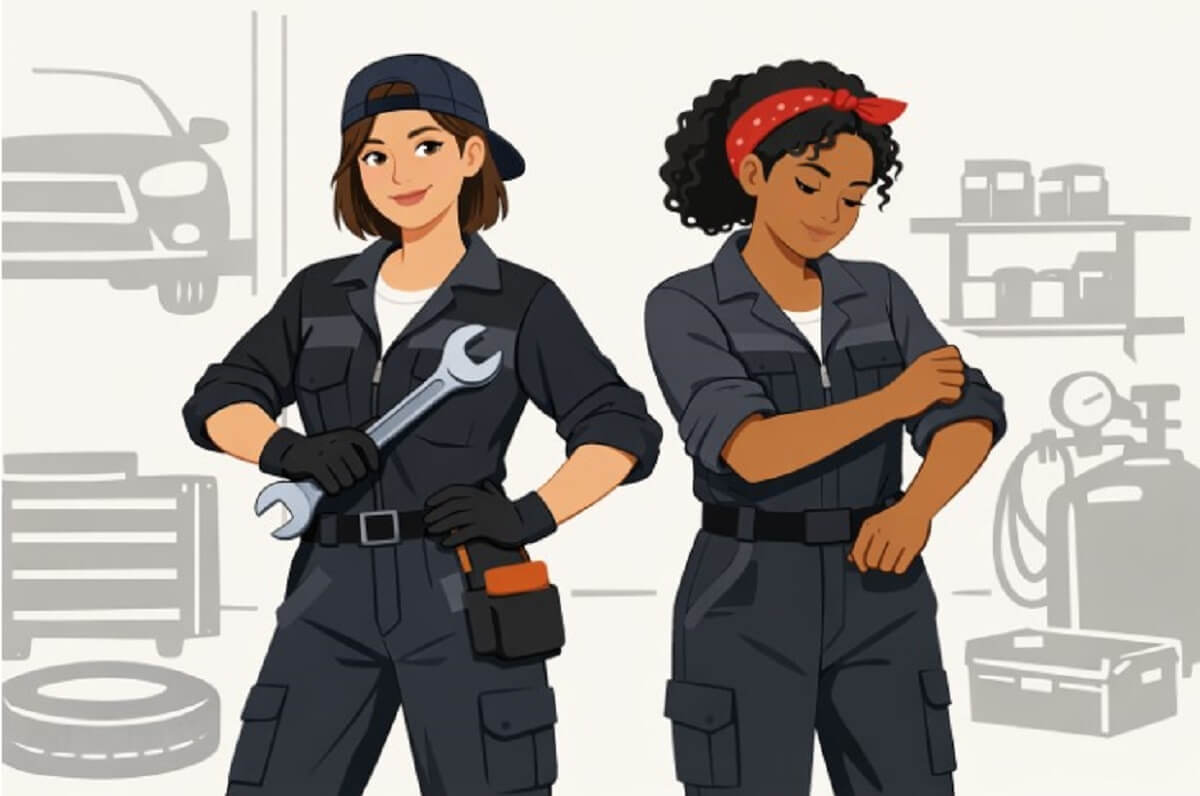
Providing women in the automotive industry with well-fitting workwear is a fundamental aspect of workplace safety, comfort, and operational efficiency. For decades, the market has focused primarily on designs that cater to men’s sizes and proportions, leaving women with unsuitable alternatives. The result is often discomfort and even safety risks on the job. Access to purpose-built gear, such as Uniforme Automotriz Para Mujer, helps address these challenges and ensures female professionals can work confidently and productively.
Focusing on inclusive workwear is not only the right thing to do from a gender equality standpoint but is also critical for meeting health and safety requirements. When women wear garments that don’t fit properly, their range of motion is limited, increasing the risk of workplace accidents. The same ill-fitting clothing can also lead to constant discomfort, reduced morale, and lower overall job satisfaction, which ultimately impacts both individuals and the companies they work for.
Historically, workplaces have struggled to secure uniforms that reflect the proportions and functional demands of their entire staff. Women’s presence in the automotive industry continues to grow, making this need even more urgent. Recent research has shown that most protective clothing isn’t designed for women, which can create operational gaps and foster feelings of exclusion. Organizations must address this issue both to comply with safety standards and to foster a culture of inclusion and respect. The move toward more suitable workwear options not only enhances personal safety but also promotes efficiency and a sense of belonging. Properly fitting workwear lets workers focus on the tasks at hand rather than navigating the limitations of their uniforms. Companies that invest in the right solutions often experience higher productivity, lower turnover, and a noticeable improvement in workplace morale.
Understanding the Importance of Proper Fit
Poor-fitting workwear poses a range of risks. Baggy or oversized clothing increases the risk of fabric getting caught in machinery or tools, while overly tight fittings might restrict essential movement and slow reaction times. According to a report from Images Magazine, over 80 percent of women working in technical fields have faced problems due to the lack of appropriately fitting workwear, which can lead to ongoing discomfort and even contribute to preventable workplace incidents. The right fit in uniforms is about more than aesthetics. It enables freedom of movement, safeguards against hazards, and boosts employees’ self-confidence, knowing the company acknowledges their unique needs. Clothing tailored for the female form, and offering ergonomic benefits, directly contributes to both job satisfaction and operational safety.
Key Features to Look for in Women’s Automotive Workwear
- Tailored Fit: Women’s automotive uniforms should be designed to account for different body shapes, offering comfort, support, and optimal movement.
- Durable Materials: The demands of auto shops and garages require tough, resilient fabrications that withstand heavy use, exposure to chemicals, and frequent washing.
- Functional Design: Must-have features include reinforced knees for protection, multiple accessible pockets for tools, and adjustable waistbands to accommodate unique proportions.
- Compliance with Safety Standards: Reliable workwear for women must be certified per industry regulations to guarantee proper protection against burns, cuts, and other workplace hazards.
Challenges in Accessing Suitable Workwear
Despite an increasing number of women in the sector, access to well-fitting uniforms is still a widespread issue. A Logistics UK survey reported that 70 percent of female professionals in operational roles struggled with undersized, oversized, or poorly designed workwear, underscoring the lack of availability. This gap is not simply a matter of inconvenience; ill-fitting uniforms can discourage women from entering or staying in the field and can undermine safety protocols.
Suppliers often fail to carry a comprehensive range of sizes, and orders for women’s uniforms are sometimes treated as custom, lengthy, or cost-prohibitive add-ons. This lack of standardization reinforces a sense of exclusion and signals that the industry has yet to adapt fully to its diverse workforce.
Steps to Improve Workwear Accessibility
- Engage with Employees: Soliciting feedback from female team members about fit, comfort, and preferences will identify and address key pain points. Regular surveys and committee reviews provide valuable insights.
- Partner with Inclusive Suppliers: Seek out manufacturers with established women’s lines and proven flexibility in sizing. These partnerships can help ensure consistent access to modern, accommodating designs.
- Provide Customization Options: Offering in-house tailoring services or access to alteration stipends ensures every employee can achieve a precise fit, regardless of their individual body shape.
- Educate on Proper Use: Regular training on sizing charts, fitting sessions, and apparel care rules helps team members choose and maintain their uniforms for maximum safety and comfort.
Benefits of Proper Workwear
- Enhanced Safety: The chance of snagging or restricted movement is minimized when each garment is sized correctly, reducing the risk of injury.
- Increased Comfort: Workers can focus on their jobs without distraction, paving the way for improved concentration and output.
- Improved Morale: Equitable uniform options demonstrate a company’s commitment to its staff and can foster a more inclusive team environment.
- Better Retention: Showing respect and support through thoughtful uniform policies leads to higher job satisfaction and staff loyalty, contributing to lower turnover rates. SHRM, the leading authority on workplace best practices, documents insights on workplace retention and satisfaction.
Conclusion
The importance of ensuring properly fitting workwear for women in the automotive industry cannot be overstated. It is a vital aspect of safety, comfort, equality, and productivity. Taking strategic steps to meet the apparel needs of all employees demonstrates not only regulatory compliance but also respect for a modern, diverse workforce. Organizations that adapt to these needs set themselves apart, empowering all workers to contribute confidently and effectively, while fostering a positive workplace culture for the future.

