

Key Takeaways
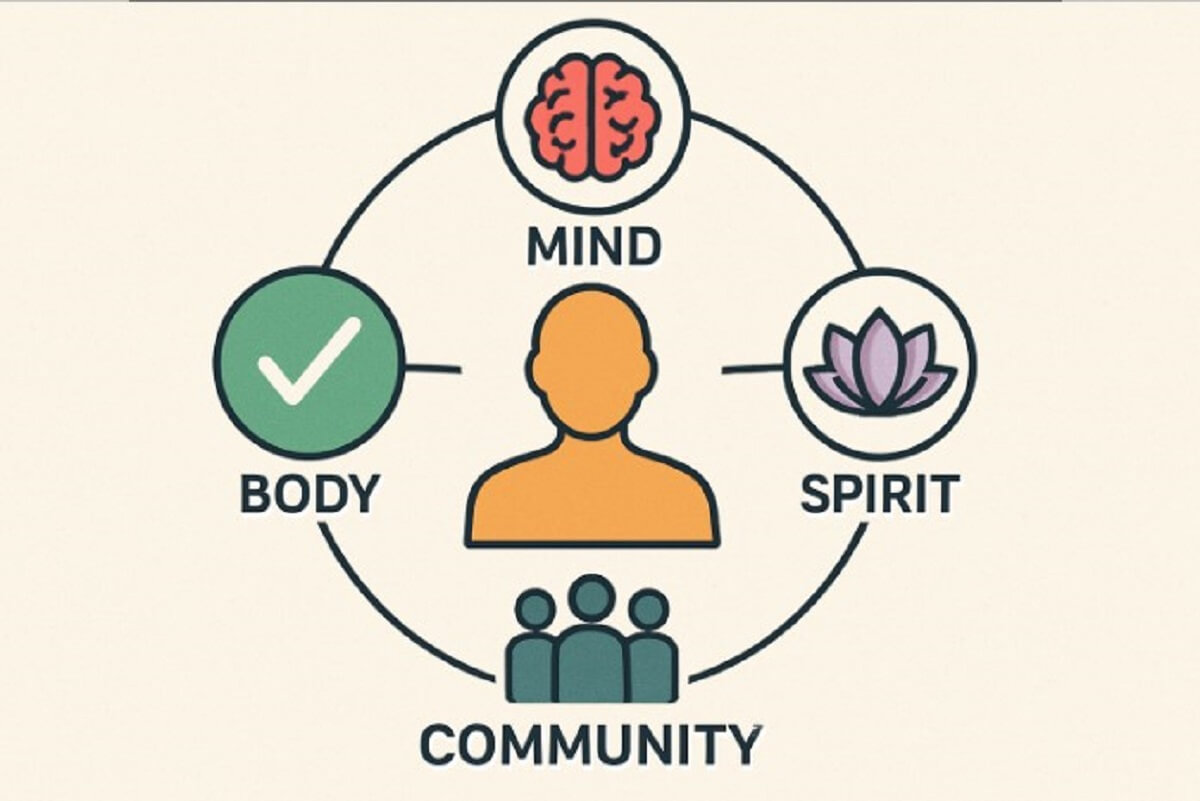
- Holistic healing integrates physical, mental, and emotional practices to build resilience.
- Mindfulness and meditation are practical tools for regulating emotions and reducing stress.
- Physical activities, such as yoga and nature therapy, contribute to overall well-being.
- Community support plays a significant role in the healing process.
- Personalized holistic practices can lead to sustainable resilience.
In today’s ever-changing, demanding world, resilience—the ability to adapt and recover from challenges—is an indispensable asset for personal well-being. Amidst rising levels of stress and uncertainty, holistic healing offers an integrative approach that nurtures the mind, body, and spirit, empowering individuals to become more adaptable and resilient. For those seeking more profound insights into holistic practices, more information is available to help guide your journey.
Holistic healing focuses on the whole person, addressing the interplay of physical, mental, and emotional health by targeting root causes of distress. It integrates evidence-based techniques, such as mindfulness and nature therapy, promoting resilience and personal growth. Research highlights the growing importance of integrative approaches in healthcare, providing new avenues for preventive and personalized care.
Understanding Holistic Healing
At its core, holistic healing is rooted in the understanding that no single aspect of our health exists in isolation. Rather than focusing solely on presenting symptoms, holistic modalities address the interconnected web of emotional, mental, physical, and spiritual factors that influence how we experience and respond to hardship.
This comprehensive framework is reflected in a range of practices, including herbal medicine, nutritional therapy, energy work, mindfulness, and movement. Unlike conventional approaches that may overlook underlying emotional or environmental contributors, holistic healing empowers individuals to play an active role in their own care—a perspective increasingly validated by the broader medical community.
The Role of Mindfulness and Meditation
Central to holistic resilience-building is the cultivation of mindfulness—an intentional, nonjudgmental awareness of present-moment experience. Mindfulness and meditation techniques have been shown in numerous studies to lower cortisol levels, regulate the nervous system, and bolster the brain’s capacity for emotional processing. With regular practice, individuals often report increased self-awareness, reduced reactivity, and an enhanced ability to navigate stressors.
Programs such as the Mindful Moment Program provide structured guidance on integrating these tools into everyday life, making the benefits of mindfulness accessible to even beginners. The impact goes beyond immediate stress relief, fostering long-term emotional stability and adaptability even in the face of adversity.
Yoga, Movement, and Nature Therapy – Physical Practices for Resilience
Physical resilience is deeply connected to emotional and mental well-being. Modalities such as yoga, tai chi, and even daily walks have a profound impact on the body’s stress response, inflammation levels, and overall sense of vitality. Spending time in nature—also known as ecotherapy or nature therapy—has also been linked to improved mood, reduced symptoms of anxiety and depression, and greater mental clarity.
Research has highlighted that exposure to green spaces and natural environments can significantly reduce stress and help regulate autonomic responses, providing restorative benefits that are not available in traditional indoor settings.
Community Support in Healing
True holistic healing transcends the individual, acknowledging the essential role of community in restoring resilience. Social support networks, group therapy, skill-building workshops, and community-based organizations offer safe spaces for shared healing, accountability, and connection. Evidence suggests that individuals with strong social ties recover from adversity more quickly and feel more empowered in their wellness journeys.
Community-based programs, such as those offered by organizations like Holistic Resilience, underscore the profound impact of belonging and shared experiences in promoting both personal and collective well-being. Whether through group meditation, community gardening, or support groups, these communal practices serve as a vital resource for sustaining growth over time.
Integrating Holistic Practices into Daily Life
Incorporating holistic strategies doesn’t require a complete life overhaul. Small, consistent actions can yield significant and lasting changes. Consider the following practical steps:
- Begin each morning with brief mindfulness or breathing exercises to set a positive tone for the day.
- Engage in regular physical activity—whether it’s yoga, stretching, or spending time outdoors—to support both physical and emotional health.
- Seek out community—participate in support groups, attend workshops, or volunteer to nurture your sense of connection.
- Eat mindfully and select a nutrient-dense, balanced diet that fuels recovery and energy.
- Dedicate time each week to journaling, gratitude practice, or personal goal-setting to foster ongoing self-awareness and growth.
Personalized Approaches to Holistic Healing
Every individual’s journey toward resilience is unique. Customizing holistic healing practices based on personal needs, lifestyle, and preferences is crucial to maximizing both engagement and benefit. Consulting with trained professionals, such as a holistic therapist, naturopathic doctor, or integrative health coach, can provide personalized guidance and support. Experimenting with various modalities, from creative arts therapies to mindfulness-based stress reduction, helps uncover what works best for your unique constitution and circumstances.
Conclusion
Resilience is not an innate trait, but rather a skill that anyone can cultivate. By embracing holistic healing—encompassing mind, body, and spirit—individuals not only recover more quickly from adversity but also equip themselves to thrive in the face of future challenges. Integrating mindfulness, movement, community, and personalized care into daily routines empowers each of us to live with greater strength, flexibility, and meaning.

